E-mail
P10 Film-原版面

P10 Film-原版面

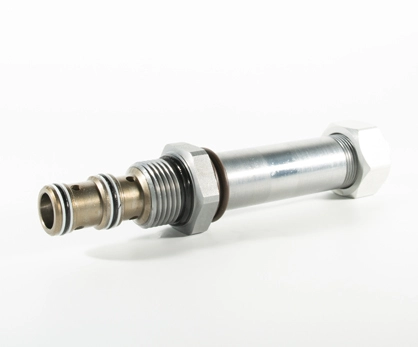
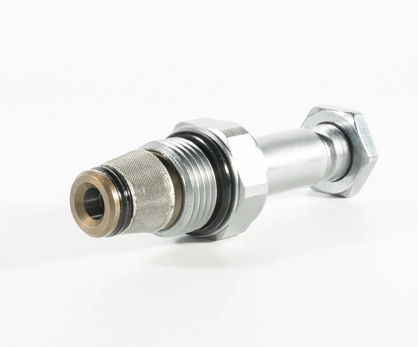
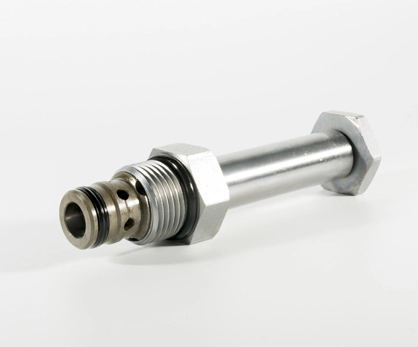
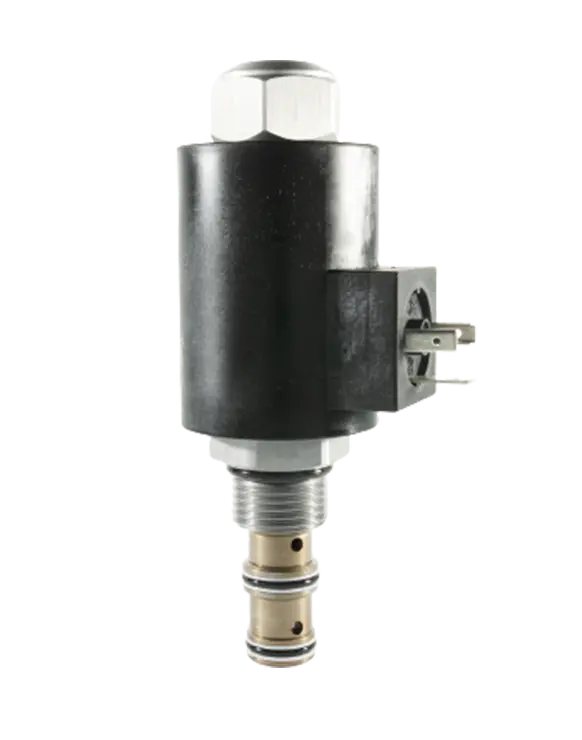
An electro-proportional valve, also known as an electronically controlled hydraulic proportional valve or simply an EPV, is a type of hydraulic cartridge that uses electrical signals to control fluid flow rate or pressure. It operates based on the principle of proportional control, where the valve's position is adjusted proportionally to the input signal received.

Get a Quote

P10 Film-原版面

How Does Proportional Valve Work?

Proportional valves work by utilizing an electrical signal to control the position or opening of the valve, which in turn regulates the flow rate or pressure of a fluid within a hydraulic or pneumatic system. Proportional valves provide accurate and dynamic control over fluid flow or pressure, allowing for precise regulation and responsiveness in a wide range of valve applications. The electrical signal input determines the valve's position or opening, resulting in proportional control of the fluid flow or pressure in real-time.

Electrical Input

An electrical signal is sent to the proportional valve, typically from a control system or a proportional control device. This signal represents the desired flow rate or pressure setpoint.

01
Valve Response

The electrical signal is received by the valve's internal electronics, which convert it into a corresponding mechanical output. This output is used to position or adjust the valve's opening.

02
Spool or Piston Movement

The mechanical output from the valve's electronics actuates a spool or piston mechanism within the valve. This movement adjusts the size of the flow passage or changes the valve's internal geometry, affecting the fluid flow rate or pressure.

03
Fluid Flow Control

As the spool or piston position changes, the fluid flow rate or pressure through the valve is modulated accordingly. The proportional relationship between the electrical input signal and the valve's position allows for precise and proportional control of the fluid flow rate or pressure.

04

Electronically Controlled Hydraulic Proportional Valves Applications

Electronically controlled hydraulic proportional valves are components used in hydraulic systems to regulate the flow rate or pressure of hydraulic fluid based on electronic signals. These valves are valuable in various industrial and commercial applications where precise control, efficiency, and automation are important. Here are some common applications of electronically controlled hydraulic proportional valves:

Electronically Controlled Hydraulic Proportional Valves Applications
Industrial Machinery and Automation

Electro proportional valves are widely used in industrial machinery such as injection molding machines, metal forming equipment, presses, and CNC machines. These valves allow precise control over movement and force, enabling the machines to achieve accurate and repeatable results.

Mobile Equipment

Construction machinery, agricultural equipment, and mining vehicles benefit from electro proportional valves to control the movements of various functions like booms, arms, buckets, and outriggers. Proportional valves ensure smooth and controlled motion, enhancing operator efficiency and equipment safety.

Aerospace and Aviation

Electro proportional valves are used in aircraft hydraulic systems to control various functions, such as landing gear deployment, wing flap movement, and actuation of control surfaces. Their ability to provide precise and rapid adjustments is crucial for flight safety and performance.

Material Handling

Electro proportional valves are used in automated material handling systems, such as conveyor belts, lifts, and robotic arms. These valves help in controlling the movement and positioning of materials with accuracy and efficiency.

Process Control

Industries like paper, pulp, and steel often use electro proportional valves in their manufacturing processes to control the flow of fluids, adjust pressures, and maintain consistent product quality.

Test and Simulation Equipment

Electro proportional valves are employed in testing and simulation setups to replicate real-world conditions and perform controlled experiments. They are used in automotive testing, environmental testing, and other research applications.


Latest News & Blogs From SOONDAY
Contact Us
jeffrey@steixion.com +8618621067897
NO.2800,NanXingGang Rd,Fengxian District,Shanghai,PRC
Contact Us
jeffrey@steixion.com +8618621067897
NO.2800,NanXingGang Rd,Fengxian District,Shanghai,PRC