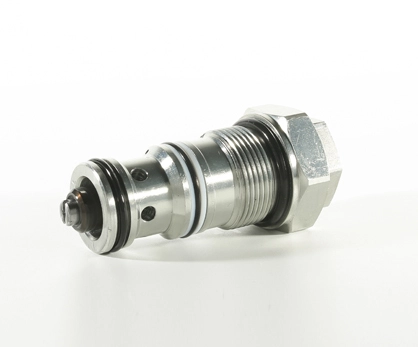
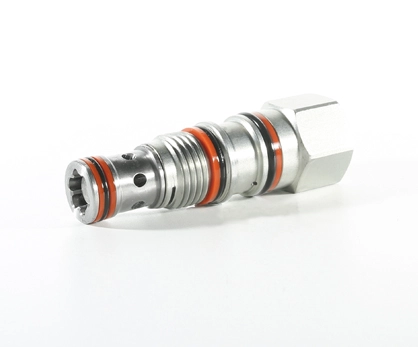
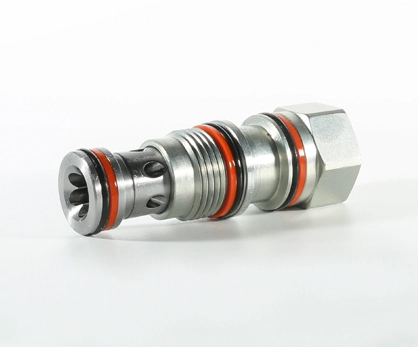
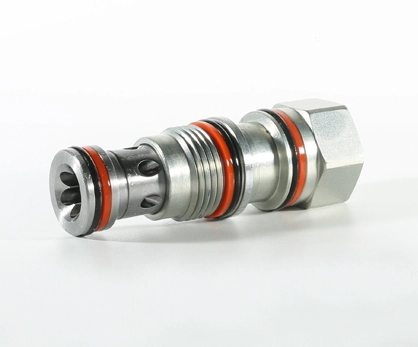
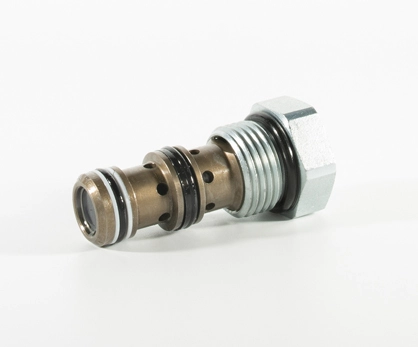
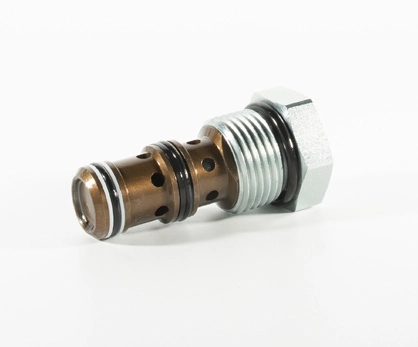
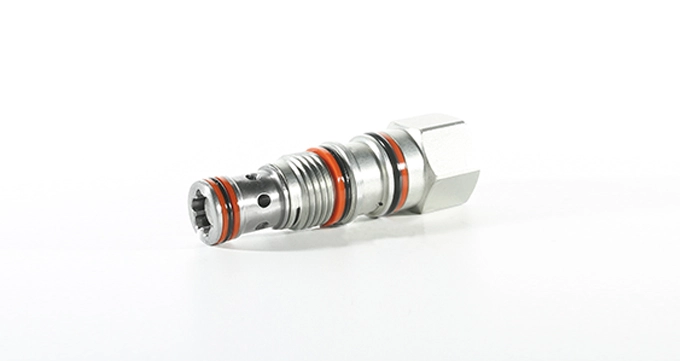
The pilot valve in a pilot-to-open check valve serves the purpose of controlling the opening and closing of the main check valve. It is responsible for initiating and regulating the flow of fluid that acts on the main valve to either allow or block the flow in the desired direction. The pilot valve typically consists of a smaller valve mechanism that is connected to a control signal, such as hydraulic or pneumatic pressure. When the control signal is applied, the pilot valve opens, allowing the fluid to flow through it and act on the main check valve.
The primary function of the pilot valve is to provide the necessary force or pressure to overcome the resistance of the main check valve and open it. It ensures that the main valve remains closed and prevents fluid flow in the undesired direction until the pilot valve is activated.